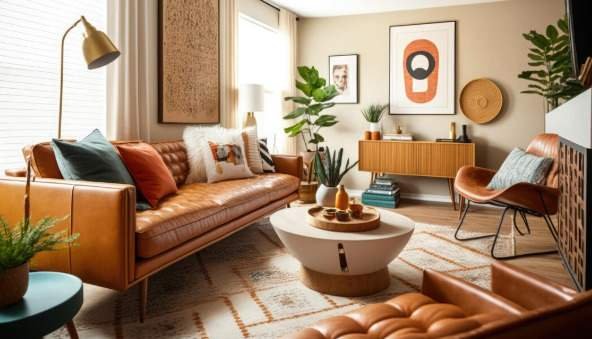
Creating a beautiful home is about more than choosing attractive furniture or following the latest decorating trend. A successful interior combines comfort, personality, functionality, and visual balance. With mintpalhouse home decor by myinteriorpalace, we can explore practical ways to create spaces that feel welcoming while reflecting individual taste and everyday needs.
Whether we are refreshing one room or planning a complete home makeover, thoughtful decoration can make a significant difference. From color selection and furniture placement to lighting, accessories, storage, and finishing touches, every decision contributes to the overall atmosphere of a home.
What Is Mintpalhouse Home Decor by MyInteriorPalace?
The idea behind mintpalhouse home decor by myinteriorpalace focuses on creating attractive and practical living environments through thoughtful interior choices. Home decoration does not need to mean replacing everything we already own. In many cases, simple improvements can completely change how a room looks and feels.
We can begin by identifying the purpose of each room. A living room may need to feel comfortable and social, while a bedroom should provide a calm environment. A home office may require better organization and lighting, whereas a dining area can benefit from a combination of practical furniture and decorative elements.
The strongest approach is to develop a consistent design direction while allowing each room to have its own character.
Start With a Clear Home Decor Plan
Before purchasing furniture or accessories, we should create a simple decoration plan. Planning prevents unnecessary spending and helps us maintain a consistent appearance throughout the home.
First, we can examine the existing room and identify what already works. Furniture that is comfortable, functional, or visually appealing may not need to be replaced. Instead, we can build the updated design around these existing pieces.
Next, we should consider the room’s size, natural light, layout, and purpose. A small room may benefit from lighter colors and furniture with a simple profile, while a larger room can accommodate bigger pieces and more decorative layers.
A basic plan should include:
- The preferred color direction
- Main furniture pieces
- Lighting requirements
- Storage needs
- Decorative accessories
- Wall decoration
- Textiles and soft furnishings
- The desired atmosphere
This preparation makes the decorating process more organized and helps us avoid random purchases.
Choose a Balanced Color Scheme
Color is one of the most important parts of home decoration. The right combination can make a room feel calm, energetic, spacious, warm, or sophisticated.
For a timeless interior, we can begin with neutral shades such as white, cream, beige, gray, or soft earthy tones. These colors create a flexible background that allows furniture and accessories to stand out.
Accent colors can then be introduced through cushions, artwork, curtains, rugs, plants, or smaller decorative objects. Instead of using too many unrelated colors, we should select a limited palette and repeat those colors throughout the room.
For example, a neutral living room can be enhanced with natural green accents, warm wooden tones, and subtle textured fabrics. This creates visual connection without making the space feel overly complicated.
Select Furniture for Comfort and Function
Beautiful furniture is useful only when it also works well for everyday life. When developing a mintpalhouse home decor by myinteriorpalace style, we should consider comfort and functionality alongside appearance.
The size of furniture should match the room. Oversized furniture can make a smaller space feel crowded, while very small pieces can look disconnected in a large room.
We should also pay attention to movement. There should be enough open space for people to walk comfortably around major furniture pieces.
A practical living room, for example, might include a comfortable sofa, a suitable coffee table, additional seating, and storage. The arrangement should encourage conversation while leaving clear pathways.
Furniture placement can often improve a room without requiring new purchases. Moving a sofa, changing the position of a table, or creating a more balanced arrangement can produce an immediate visual improvement.
Improve Your Home With Better Lighting
Lighting can completely change the appearance of interior decoration. Even an attractive room can feel dull when lighting is poorly planned.
We should consider three main types of lighting: ambient, task, and accent lighting.
Ambient lighting provides general illumination. Task lighting helps with specific activities such as reading, studying, cooking, or working. Accent lighting draws attention to artwork, architectural features, shelves, or decorative objects.
Natural light should also be used whenever possible. Keeping windows clear and using suitable curtains can help bring more daylight into a room.
At night, multiple light sources can create a warmer atmosphere than relying on a single bright ceiling fixture. Floor lamps, table lamps, wall lights, and decorative lighting can add depth and flexibility.
Add Texture for a More Comfortable Interior
A room can have excellent colors and furniture but still feel visually flat. Texture provides another layer of interest.
We can introduce texture through rugs, curtains, cushions, blankets, wooden surfaces, woven baskets, ceramics, plants, and fabrics.
Combining different materials creates a richer appearance. Smooth surfaces can be balanced with soft textiles, while natural wood can be combined with woven or fabric elements.
The goal is not to fill every available space. Instead, we should create a controlled mixture of textures that makes the room feel comfortable and complete.
Use Wall Decor Carefully
Walls provide valuable opportunities for adding personality. Artwork, mirrors, photographs, shelves, and decorative wall arrangements can transform an otherwise empty surface.
A large piece of artwork can become the focal point of a living room. A carefully arranged collection of smaller frames can create a more personal display.
Mirrors are particularly useful because they can reflect light and make a room appear more open. However, their placement should be intentional. A mirror positioned opposite an attractive view or light source can be more effective than one placed randomly.
We should also avoid covering every wall simply because there is available space. Leaving some areas visually quiet can make the decorated areas more noticeable.
Bring Nature Into the Home
Plants are a simple way to introduce natural color and texture into an interior. Depending on the available light and maintenance preferences, we can choose suitable indoor plants or low-maintenance alternatives.
Plants can be placed on shelves, side tables, windowsills, or floor-level stands. Larger plants can fill empty corners, while smaller plants can add detail to desks and shelves.
Natural materials such as wood, stone, cotton, linen, and woven fibers can also help create a warm and comfortable atmosphere.
This approach works especially well for homeowners who want an interior that feels relaxed rather than overly formal.
Create a Stylish Yet Practical Bedroom
The bedroom should be one of the most comfortable areas of the home. We can create a peaceful environment by using a coordinated color palette, comfortable textiles, suitable lighting, and minimal clutter.
The bed usually becomes the main focal point, so bedding should complement the room’s overall colors. Cushions and throws can introduce additional texture without overwhelming the space.
Bedside tables should remain functional and organized. A small lamp, a book, or a few carefully selected decorative items may be enough.
Storage is equally important. A tidy bedroom generally feels more relaxing than one filled with visible clutter.
Make Small Spaces Feel More Open
Small rooms require careful planning, but limited space does not mean limited style.
We can use furniture that serves multiple purposes, such as storage benches, compact tables, shelving units, or furniture with built-in storage.
Light colors can help maintain an airy appearance, while mirrors can provide additional visual depth. Keeping floors and walkways clear is also important.
Vertical space should not be ignored. Tall shelving and wall-mounted storage can provide useful organization without taking up excessive floor area.
Organize Your Home Without Losing Style
Organization is an important part of successful home decoration. Clutter can distract from carefully selected furniture and accessories.
Storage baskets, decorative boxes, shelving, cabinets, and multifunctional furniture can help keep everyday items under control.
We should organize items according to how frequently they are used. Everyday objects should remain easily accessible, while rarely used items can be stored in less visible locations.
Good organization does not have to look purely functional. Storage solutions can become part of the design when their colors, materials, and shapes complement the room.
Add Personal Details
A home should reflect the people who live there. Trends can provide inspiration, but personal details are what make an interior feel authentic.
Family photographs, favorite artwork, books, travel memories, handmade objects, and meaningful accessories can all contribute to a distinctive environment.
When adding personal pieces, we should focus on quality and meaning rather than quantity. A few carefully selected objects can have a stronger visual impact than a large collection of unrelated decorations.
This principle helps us create a home that feels personal rather than like a showroom.
Refresh Your Home Without a Major Renovation
A complete renovation is not always necessary to create a noticeable change. Small updates can provide an affordable alternative.
We can begin with textiles, lighting, wall art, furniture arrangement, plants, and accessories. Changing cushion covers or adding a new rug can alter the character of a room without replacing major furniture.
Decluttering is another effective improvement. Removing unnecessary objects can make existing furniture and decoration more noticeable.
Repainting a wall or creating an accent wall can also produce a significant transformation when the existing layout is already functional.
Common Home Decor Mistakes to Avoid
When working on a home decoration project, several common mistakes can reduce the overall result.
One mistake is buying furniture before measuring the room. Always check dimensions before making major purchases.
Another is using too many competing colors. A limited palette usually creates better visual consistency.
Poor lighting is another frequent problem. We should combine different types of lighting rather than depending entirely on one fixture.
Over-decoration can also make a room feel crowded. Every decorative item should have a purpose, whether functional, personal, or visual.
Finally, copying a trend completely may produce a space that does not suit everyday needs. We should use trends as inspiration while maintaining our own preferences and practical requirements.
Build a Cohesive Mintpalhouse Home Decor Style
A cohesive home does not require every room to look identical. Instead, we can repeat certain elements throughout the property.
For example, similar wood tones, complementary colors, consistent metal finishes, or related textile patterns can connect different rooms.
The result is a home where each space feels individual while still belonging to the same overall design.
With mintpalhouse home decor by myinteriorpalace, the focus can remain on practical choices that combine visual appeal with comfort and everyday functionality.
Frequently Asked Questions
What is mintpalhouse home decor by myinteriorpalace?
Mintpalhouse home decor by myinteriorpalace refers to a home-decoration approach centered on creating attractive, comfortable, organized, and practical interiors through thoughtful design choices.
How can we improve home decor on a budget?
We can refresh a room without major spending by rearranging furniture, decluttering, updating textiles, adding plants, improving lighting, and introducing carefully selected wall decoration.
Which colors work well for home interiors?
Neutral colors such as white, cream, beige, gray, and soft earthy shades provide flexible foundations. Accent colors can then be introduced through furniture, textiles, artwork, and accessories.
How can we make a small room look better?
We can use appropriately sized furniture, lighter colors, mirrors, multifunctional storage, and clear walkways. Using vertical storage can also help maximize limited space.
How important is lighting in home decoration?
Lighting is extremely important because it affects the atmosphere and appearance of colors, furniture, and decorative details. Combining ambient, task, natural, and accent lighting can create a more balanced interior.
Should every room have the same decor style?
Not necessarily. Rooms can have their own personalities while sharing a few colors, materials, finishes, or design elements that create continuity throughout the home.
How can we make our home feel more personal?
We can add meaningful photographs, artwork, books, plants, handmade pieces, travel memories, and other carefully selected objects that reflect our interests and experiences.
Final Thoughts
Creating a beautiful home is a process rather than a single decorating project. By planning the layout, selecting balanced colors, choosing functional furniture, improving lighting, adding texture, organizing belongings, and introducing personal details, we can create interiors that remain comfortable and attractive over time.
Mintpalhouse home decor by myinteriorpalace can serve as an inspiration for approaching home decoration with creativity and practicality. Instead of following every trend, we can focus on choices that suit the space, support everyday living, and reflect personal style. The best interior is ultimately one that looks welcoming, functions effectively, and feels genuinely like home.